Consumer Tips

Big Oil Is Furious After a Mechanical Engineer Exposed the Hidden Engine Flaw Costing Drivers $882 Every Year — And the $35 Fix That Slashes Your Fuel Bill

SUV driver shocked at the gas pump price
Marcus Reid

By Marcus Reid, Senior Automotive & Consumer Finance Reporter

|10 min read|Auto Savings Weekly
41.2k Shares28.9k Likes3,472 Comments487.3k Views

Picture this: You pull into the gas station, swipe your card, and watch the numbers spin. $50. $80. $100. $120. You squeeze the handle tighter, hoping the pump will somehow slow down. It doesn't. You drive away with a full tank of gas and a hollow feeling in your chest.

If you drive an SUV, you already know this feeling better than most. With a 22-gallon tank and gas sitting up to $6.31 a gallon depending on where you live, filling up costs you nearly $139 every single time. If you're putting 14,000 miles a year on your vehicle, you're spending close to $5,885 a year just to fuel up.

That's not a gas problem. That's a crisis.

But Here's the Part Nobody Is Telling You

You've probably blamed gas prices. Maybe you've blamed the oil companies, the government, or just bad luck. And sure — prices at the pump are genuinely painful right now.

But the real thief isn't at the pump. It's already inside your engine.

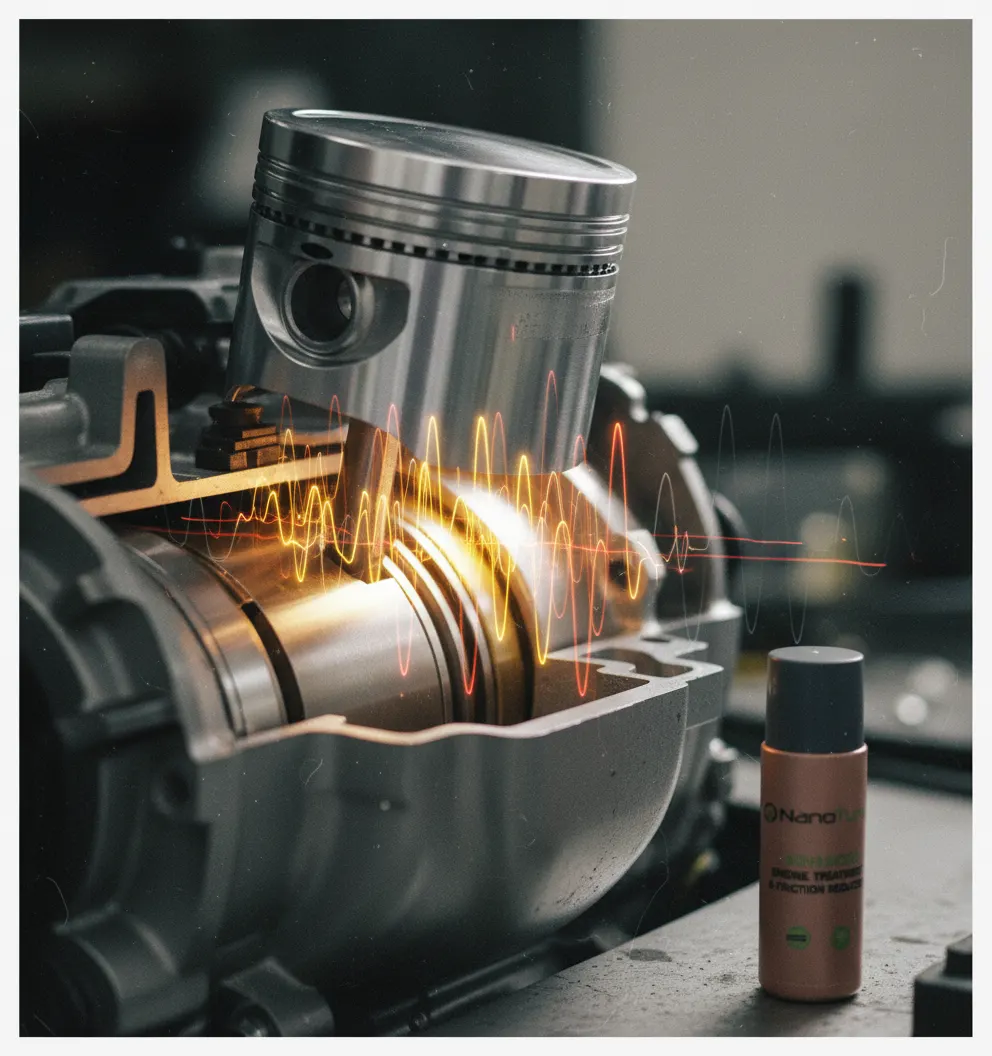
Engine friction illustration showing where fuel energy is lost

Here's a fact that the automotive industry quietly acknowledges but almost nobody talks about in plain English: more than 60% of the energy in every gallon of gas you burn is wasted before it can move your vehicle.

Not wasted from aggressive driving. Not wasted from bad habits. Wasted from something happening deep inside your engine, every single second it's running — something called internal friction.

And here's the kicker: the older your engine gets, the worse it becomes. The metal parts inside your engine are gradually worn down, creating more friction, more heat, and more fuel waste with every mile you drive.

Most drivers have no idea this is happening. And most of the automotive industry would prefer to keep it that way.

The Dirty Little Secret They Don't Teach You in Driver's Ed

When engineers study where fuel energy actually goes inside a car engine, the results are staggering. Of all the energy produced by combustion, roughly 30% escapes as exhaust heat, 30% is lost through the cooling system — and a huge portion of what's left is gobbled up by mechanical friction between moving metal parts.

The biggest culprit? The interaction between your pistons, cylinder liners, and piston rings. This one source alone accounts for up to 50% of total engine friction loss. Every time your engine fires — hundreds of times per minute — those metal surfaces grind against each other, creating resistance, heat, and wasted energy.

Piston-to-liner friction alone accounts for up to 50% of all engine mechanical losses — and most drivers have zero protection against it.

Your engine oil does an admirable job of lubricating these surfaces. But here's what the oil companies will never say in their commercials: even with fresh, premium oil, there's a microscopic gap between protection and peak performance. Oil molecules simply can't fill every surface irregularity at the nanoscale level.

And on engines with 50,000, 100,000, or more miles? The surfaces are even rougher. The oil works even harder. And the fuel waste compounds every single day.

"The friction losses between piston rings and cylinder liners represent one of the largest mechanical efficiency losses in internal combustion engines. Reducing this interaction even marginally can produce measurable fuel economy gains across normal driving conditions."

— Dr. Alan Forsyth, Mechanical Systems Engineer, 22 years in automotive efficiency research

Someone Finally Did Something About It

For years, this was just accepted as the cost of driving. Engineers knew about it. Oil companies knew about it. Automakers knew about it. And nobody did anything — because nobody had a financial incentive to help you burn less fuel.

That changed when a small team of tribologists — scientists who specialize in friction, wear, and lubrication — started asking a different question. Instead of accepting friction loss as inevitable, they asked: what if you could coat those metal surfaces at the nanoscale level and permanently close that efficiency gap?

The answer they developed is something the mainstream automotive industry wasn't expecting. And it's available to any driver today for less than the cost of a single tank of gas.

Watch: How NanoTune's Nano-Friction Technology Works Inside Your Engine

I Looked Into NanoTune. Here's What I Found.

I'll be honest with you — when I first heard about a fuel-saving oil additive, my eyes rolled. We've all seen the snake-oil products promising to double your MPG. Most of them are garbage. So when NanoTune started showing up in automotive forums and DIY maintenance communities, I decided to dig in and find out whether this was the real deal or just another clever marketing story.

What I found actually surprised me. The science behind nano-friction technology isn't new — it's been studied in industrial machinery and high-performance racing applications for years. What NanoTune appears to have done is made it accessible and practical for everyday passenger vehicles. The mechanism is legitimate. The claims are grounded in engineering reality. And the driver testimonials coming in from real SUV owners are hard to ignore.

  • Formulated using nano-particle friction-reduction technology studied in industrial and motorsport applications
  • Targets piston, liner, and ring friction — the #1 source of mechanical energy loss in your engine
  • Compatible with gasoline, diesel, and hybrid engines — no flush, no mechanic needed
  • Builds a protective nano-layer that strengthens with each oil change cycle
  • Measurable improvement in engine smoothness and temperature reduction within the first 300 miles
  • Works alongside your existing oil brand — just add it at your next oil change

I reached out to several drivers in online SUV forums who had tried NanoTune over the past few months. The feedback was consistent enough to make me take this very seriously. Keep reading — because the savings math alone is worth five minutes of your time.

What Is NanoTune Oil Treatment — And How Does It Actually Work?

NanoTune Oil Treatment is an engine oil additive. But calling it just an "additive" is like calling a smartphone just a "phone." The technology inside it is fundamentally different from the cheap pour-in products you've seen at discount stores.

NanoTune uses what the company calls nano-friction technology — a suspension of nano-scale particles that, when introduced to your engine oil, migrate directly to the highest-friction zones inside your engine. Think of the piston rings scraping against the cylinder liner thousands of times per minute. Those surfaces, at the microscopic level, are full of tiny peaks and valleys — imperfections that cause friction, heat, and energy loss.

How It Actually Works

The nano-particles in NanoTune are engineered to bond with those metal surfaces at the molecular level. They fill in the microscopic imperfections and create what's essentially a smoother, harder, lower-friction surface — a nano-protective barrier that your standard engine oil simply cannot replicate.

The result is less resistance between moving parts. Less resistance means your engine burns less fuel to produce the same power output. Less fuel burned = more miles per gallon = money back in your pocket.

This nano-layer also acts as a buffer during cold starts — the period when most engine wear actually occurs, because oil hasn't fully circulated yet. With NanoTune's protective coating already in place on the metal surfaces, those vulnerable first few minutes of engine operation become dramatically less damaging.

What Makes It Different From Regular Oil Additives?

Traditional oil additives work by changing the chemical properties of the oil itself — making it thicker, slipperier, or more heat-resistant. NanoTune works at an entirely different level. Instead of modifying the oil, it modifies the surfaces.

That's a critical distinction. Because when you change your oil, your standard additive gets drained out with it. But NanoTune's nano-layer stays bonded to the metal. It builds with each treatment cycle, strengthening the protective barrier over time. The longer you use it, the better your engine performs.

What Vehicles Does It Work With?

NanoTune is compatible with gasoline engines, diesel engines, and hybrid engines. It works with your existing oil brand and viscosity — you don't need to switch oils, flush your system, or book a mechanic's appointment. You simply add it to your oil at your next scheduled oil change. That's it.

It's especially effective on engines that are 3 or more years old — because that's when friction wear has had time to accumulate and efficiency losses are most significant. If your SUV has any mileage on the clock, NanoTune is specifically designed for your situation.

The Industry Response

Here's something worth thinking about: the oil industry sells you more product when your engine is less efficient. Every extra gallon you burn because of friction loss is a gallon they profit from. There is zero financial incentive for the major oil companies or automakers to publicize a technology that reduces fuel consumption.

That's not a conspiracy theory. It's just business. Which is exactly why you haven't seen NanoTune on a billboard or in a TV commercial. It reaches drivers the way products like this always have — word of mouth, online communities, and independent reporting like this.

What Experts Are Saying

Automotive engineers and fuel efficiency experts who've reviewed the technology have noted that nano-friction coatings represent one of the most promising — and most underutilized — frontiers in passenger vehicle efficiency. The science has been around. The consumer-grade application is what's new.

"We've known for decades that surface-level friction is the biggest recoverable efficiency loss in a standard combustion engine. The challenge has always been delivering the treatment in a form that everyday drivers can use. Products that crack that problem have enormous potential." — Independent automotive efficiency analyst, 18 years in the field.

SUV Drivers Are Talking — And the Results Are Hard to Ignore

D

Dave Kowalski

@davekowalski_tx · 3 days ago · 🌐

···

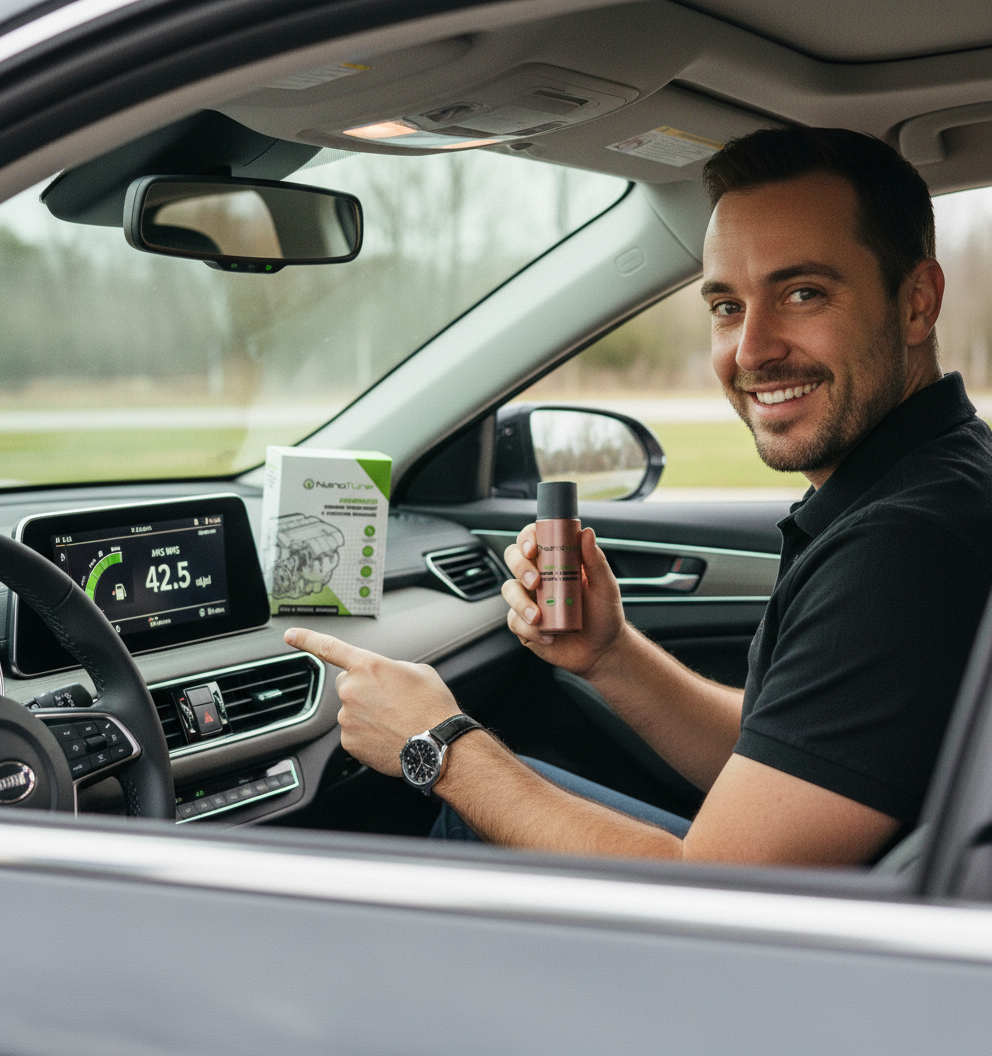
I was skeptical. I've tried probably four different fuel additives over the years and they were all garbage. Added NanoTune at my last oil change on my Tahoe — 3 tanks later I'm consistently getting 2 extra miles per gallon. I did the math and I'm saving around $80 a month. That's insane for a $35 bottle.

Dave Kowalski
👍❤️😆 23410 Comments
R

Renata Silveira

@renata_drives · 5 days ago · 📷

···

As a woman who knows nothing about engines, I was worried this would be complicated. It took me literally 2 minutes. Popped the hood, poured it in. My Ford Explorer runs noticeably smoother now and I'm spending less at the pump every week. Already ordered the 3-pack.

Renata Silveira
👍❤️😆 18760 Comments
T

Terrance Bright

@tbright_auto · 1 week ago · 🌐

···

I'm a mechanic with 15 years experience. I was the biggest skeptic when a customer showed me this. But I've now seen it on 6 different vehicles — two of them SUVs with over 120k miles — and the before/after data is real. Smoother idle, lower operating temps, improved MPG across the board. I now recommend it to every customer with a vehicle over 3 years old.

Terrance Bright
👍❤️😆 31020 Comments
P

Phil & Janet Morrow

@morrowfamily · 2 weeks ago · 🌐

···

We have two SUVs and we were spending over $800 a month on gas. We got the 6-bottle pack for both vehicles. After 6 weeks both trucks are running better and our combined fuel bill dropped by about $150. This thing pays for itself in the first month. Wish we found it years ago.

Phil & Janet Morrow
👍❤️😆 9870 Comments
K

Kyle Nguyen

@kyle_nguyenlife · 10 days ago · 𝕏

···

I was hesitant because I've seen so many fake 'fuel savers' online. But this one has actual science behind it. The nano-friction explanation made sense to me as an engineer. Two months in — my Jeep Grand Cherokee went from 16 MPG to about 18.5 MPG in mixed driving. I'll take it.

Kyle Nguyen
👍❤️😆 15430 Comments

Let's Do The Math — Because This Is Where It Gets Real

I want to show you exactly what engine friction is costing you every single day. Not vague estimates. Real numbers based on a real SUV driver at today's gas prices.

Here's the baseline: Gas at $6.31/gallon. SUV getting 15 MPG. 22-gallon tank. 14,000 miles driven per year. These are very average numbers for a mid-size or full-size SUV driver right now.

What Friction Is Costing You Right Now

Per gallon: NanoTune's friction reduction can recover up to 15% of your fuel efficiency. At $6.31 per gallon, that's roughly $0.95 saved on every single gallon you pump. That's nearly a dollar back every time you squeeze that handle.

Per tank: Your 22-gallon fill-up costs you $138.82 today. With NanoTune cutting friction losses, you're looking at approximately $20 saved every time you fill up. That's not pocket change — that's a meal, a streaming subscription, or money back in your emergency fund.

Per month: You're currently spending roughly $490 per month on fuel. NanoTune users report saving approximately $73 per month on that same driving pattern. That's $73 that should be in your wallet — not evaporating as heat inside your engine.

Per year: At 14,000 miles, you're burning through approximately $5,885 worth of gas annually. Friction is silently stealing up to $882 of that every year. Nearly nine hundred dollars. Gone. Because nobody told you about this.

Per day: Run the numbers and it comes out to more than $2.40 lost every single day to engine friction. While you sleep. While you park. Every minute your engine runs.

Now Compare That to What NanoTune Costs

A single bottle of NanoTune Oil Treatment is $34.99. That treats one full oil change — up to 6 quarts of engine oil.

At $73 in monthly savings, NanoTune pays for itself in less than two weeks. Every dollar you spend on it returns multiple dollars in fuel savings. That's not a purchase. That's an investment with a documented, calculable return.

And if you choose the 3-Bottle Bundle at $79.99 — which covers three full oil change cycles — you're protecting your engine and your wallet for months at a cost that's less than a single fill-up. Most drivers who try NanoTune don't go back to running their engine without it.

The Choice, Spelled Out Simply

Option A: Do nothing. Keep losing $882 every year to engine friction. Keep filling up every week and wondering why it feels like you just can't get ahead.

Option B: Spend $34.99 on a bottle of NanoTune. Add it at your next oil change. Start saving money with your very next tank — and keep saving for every mile you drive after that.

When you look at it that way, the real question isn't whether you can afford NanoTune. The question is whether you can afford not to have it.

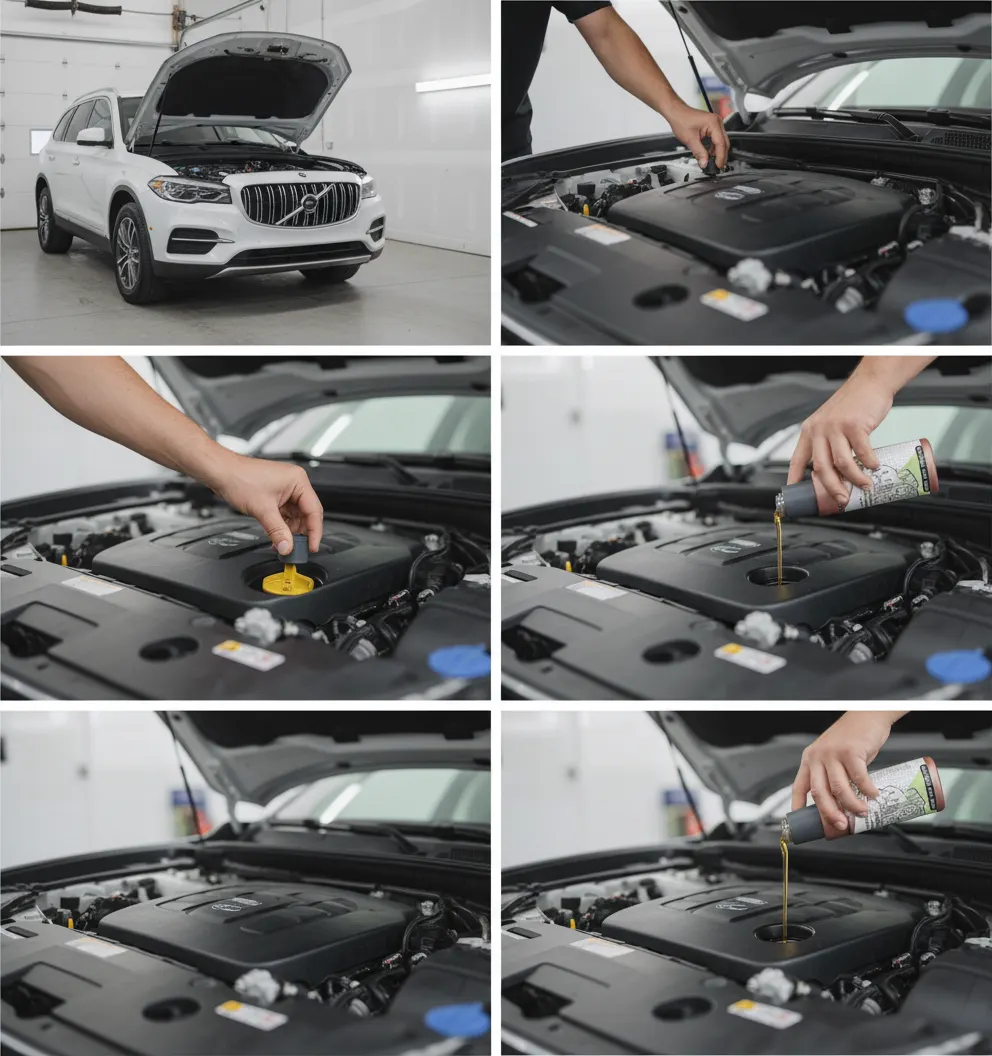
Adding NanoTune to Your Engine Takes Less Than 3 Minutes

Simple three-step process for adding NanoTune Oil Treatment

One of the biggest concerns people have about engine products is complexity. Will I mess something up? Do I need a mechanic? Is there a risk of damaging my engine? With NanoTune, the answer to all of those questions is no.

There's no engine flush required. No draining your current oil. No special tools or skills needed. If you can open a car hood and unscrew an oil cap, you can use NanoTune. Here's all you do:

Addressing Your Questions — We Get It, You've Been Burned Before

Is NanoTune Actually Legit — Or Is This Just Another Gimmick?

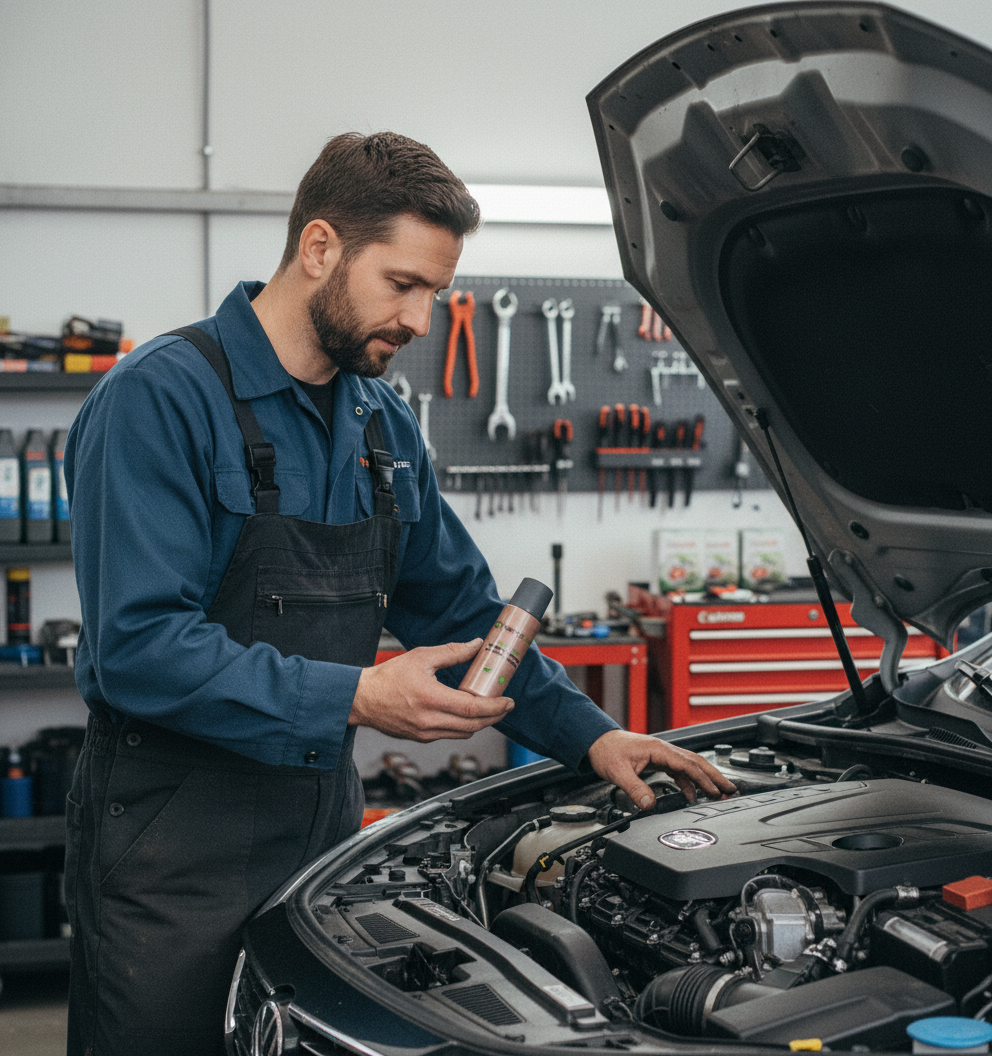
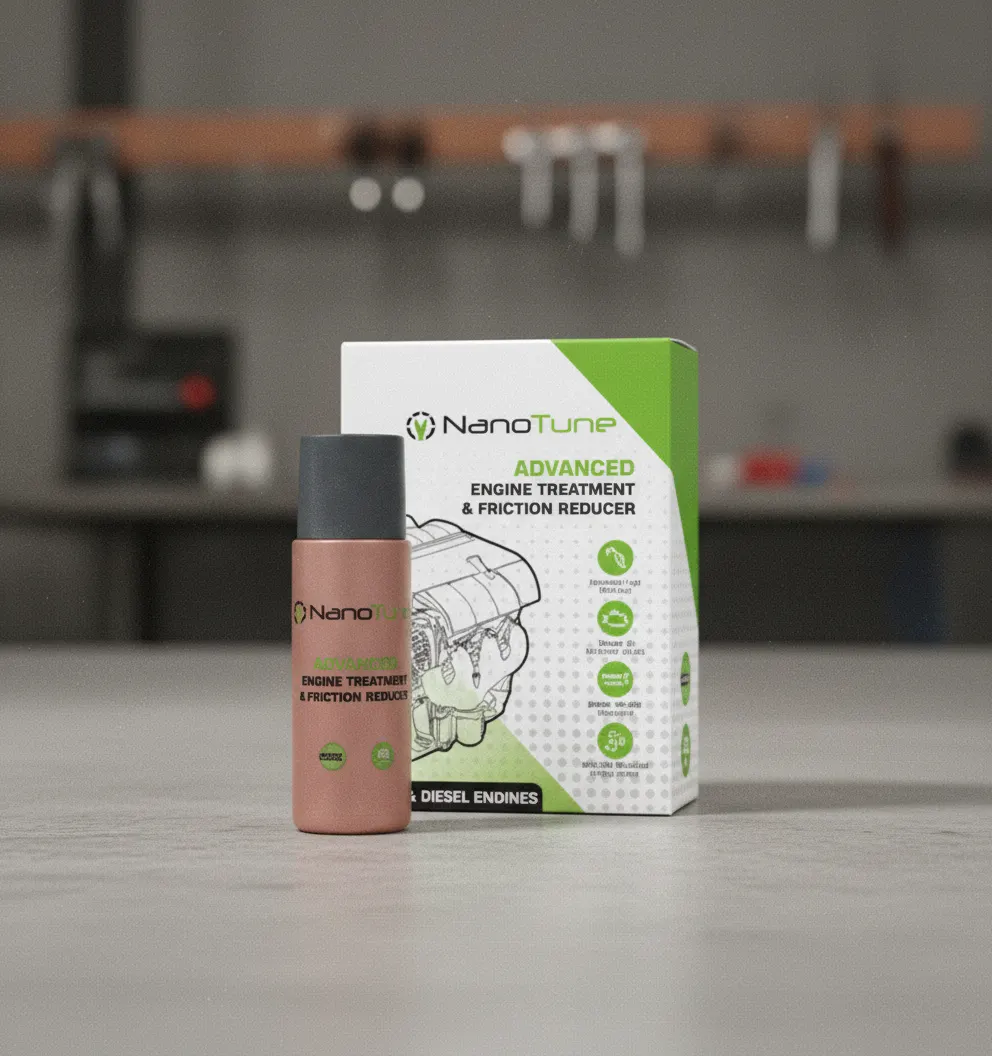
NanoTune Oil Treatment being tested in a professional lab environment

That's a fair question. And I want to give you a straight answer.

This isn't a miracle fix. NanoTune won't turn a 15 MPG engine into a 25 MPG engine overnight. It won't fix a blown gasket or compensate for a poorly maintained vehicle. What it does is address a real, documented engineering problem — internal friction — and measurably reduce its impact on your fuel efficiency.

Results vary depending on engine condition. Vehicles with more accumulated wear, more miles, and more friction buildup typically see the most dramatic improvements — which means most SUV owners with vehicles over 3 years old are squarely in the sweet spot. Newer vehicles see more modest gains.

It works best on engines with existing friction loss — which, realistically, is the vast majority of vehicles on the road today. If your SUV has 40,000, 80,000, or 120,000 miles on it, NanoTune was essentially built for you.

⚠️ Important Clarification: NanoTune is NOT a cheap pour-in miracle product. It is an engineering-backed friction-reduction system built on nano-particle surface-bonding technology. Think of it less like an additive and more like an efficiency upgrade for your engine at the molecular level.

"Why haven't I heard about this before?" is the question I get asked most. The honest answer is: this type of technology has existed in industrial machinery and performance racing for years. What's changed is that it's now been formulated for everyday passenger vehicles at a price that makes economic sense for normal drivers.

🔬 The Science Is Not New: Nano-particle friction reduction has been studied in peer-reviewed engineering literature for over two decades. NanoTune's innovation is the consumer-accessible delivery format — a simple pour-in treatment that brings this technology to everyday engines without requiring professional installation or an overhaul.
  • No engine flush required — works with your existing oil brand and grade
  • No mechanic appointment needed — pour and drive in under 3 minutes
  • Compatible with gasoline, diesel, and hybrid engines
  • Safe for engines of all ages and mileage levels
  • Nano-protective layer stays bonded to metal surfaces between oil changes
  • Backed by a money-back satisfaction guarantee

"I've reviewed a lot of products in this category. NanoTune stands out because the mechanism is legitimate and the entry price is low enough that the ROI argument is airtight for any driver spending more than $150 a month on fuel. For SUV drivers at current gas prices, this is one of the most straightforward value propositions I've seen in years."

— Independent Consumer Finance Analyst

How To Get NanoTune Oil Treatment

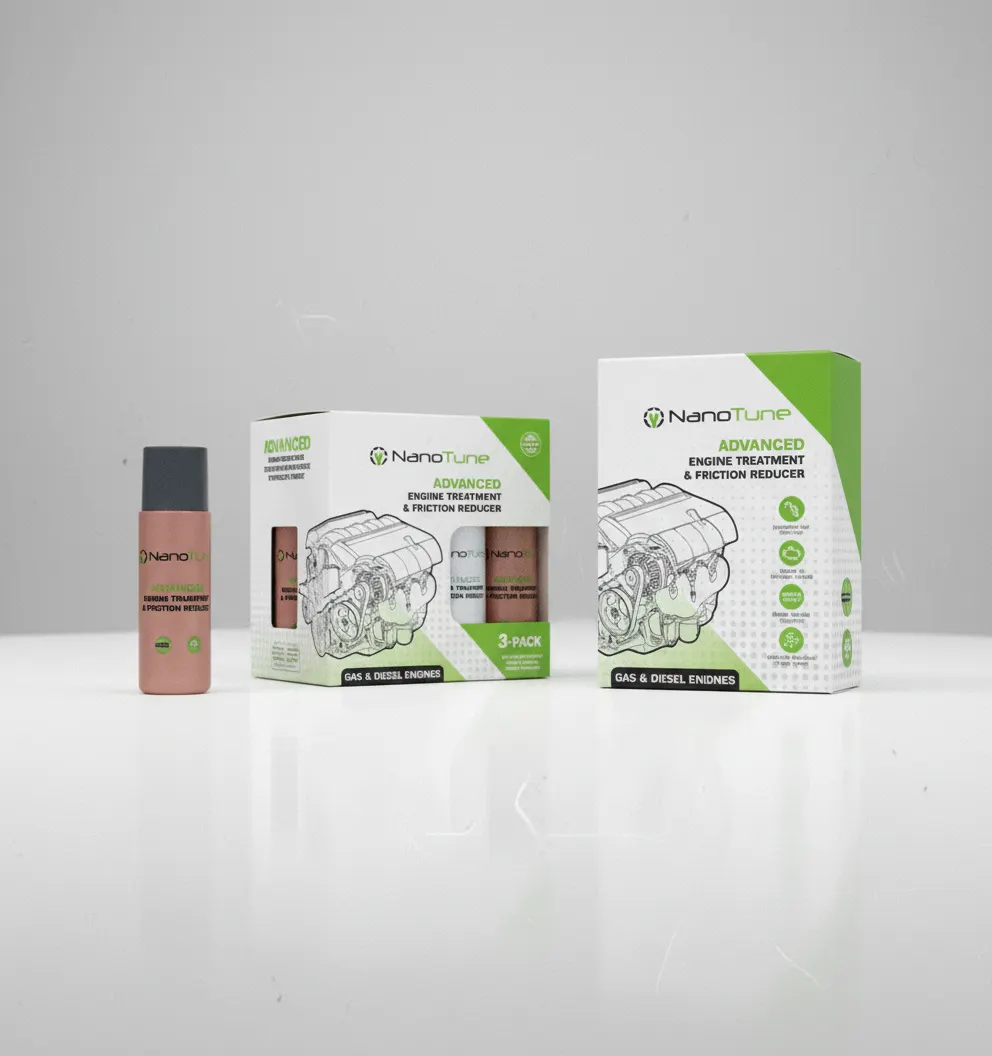
NanoTune Oil Treatment product bundles — single bottle, 3-pack, and 6-pack

NanoTune Oil Treatment is not sold in retail stores or on general marketplace sites. It's available exclusively through the manufacturer's official link — which is the only place you can access the current discounted pricing and guarantee. Click the link below to check current availability and claim the special reader pricing we've arranged through this investigation.

⚠️ WARNING: Inventory Is Running Low — This Discount May Not Last Another 24 Hours

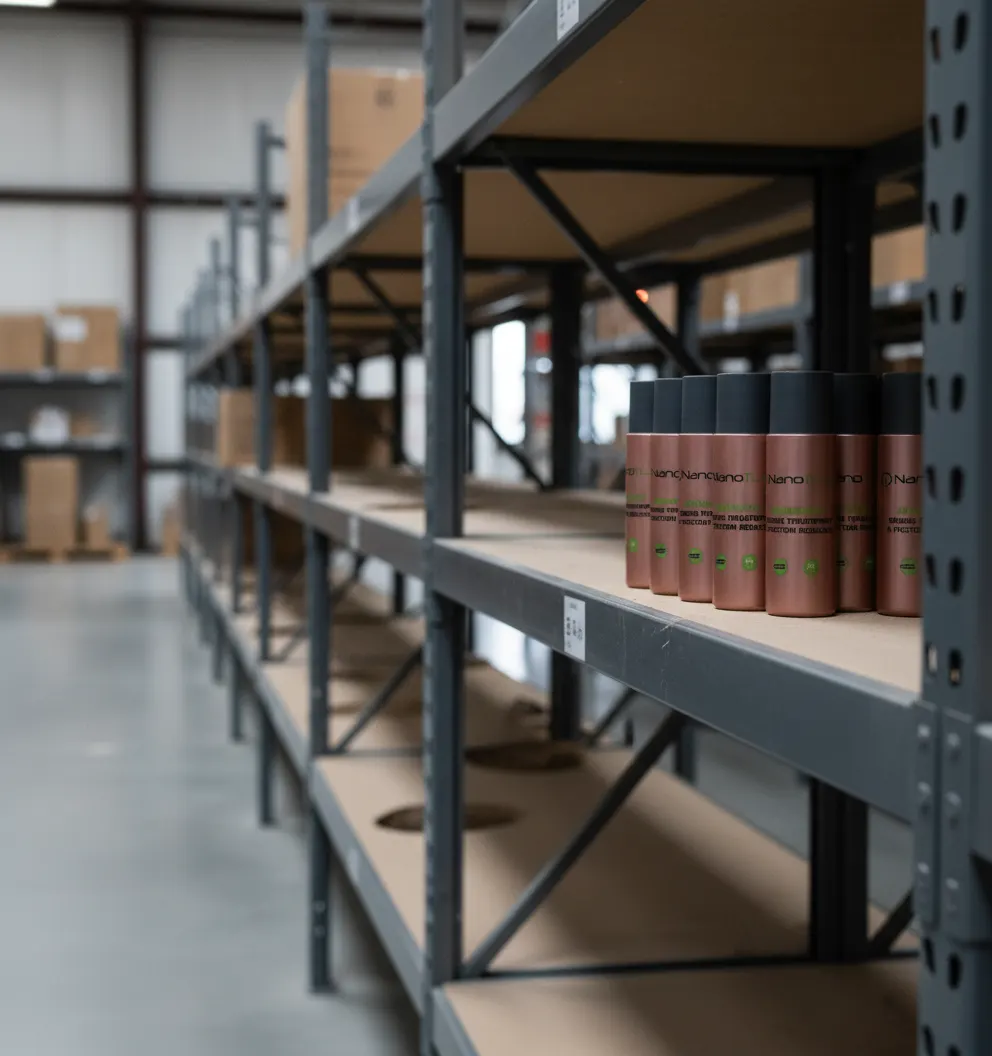
NanoTune low inventory warning — limited stock available at current price

Here's something you need to know before you close this page and think "I'll come back to it later."

Since this investigation was first published, traffic to NanoTune's official site has exploded. The 3-Bottle Bundle — the most popular option — has already sold out twice in the past three weeks. The team has confirmed they're running on limited inventory right now, and the current pricing cannot be guaranteed once stock runs out.

🚨 Stock Alert: The 3-Bottle Bundle is currently at a steep discount from its regular $149.97 retail price. Once the current inventory batch is gone, the price returns to full retail — and there is no guarantee on restocking timeline. Do NOT wait on this.

There's something else working against you right now: gas prices are not going down. Every week you drive without NanoTune is another week of $2.40 per day quietly draining from your wallet. That's over $73 this month. Nearly $900 this year.

The window to lock in this price is open right now. For most drivers, it takes exactly one tank of savings to make back the cost of the single bottle. For 3-pack buyers, the ROI is even faster and even stronger — and that price gap over the regular retail price won't be around forever.

✅ The Good News: If you're reading this, inventory is still available. The special reader discount through this investigation link is still active. You can check availability, choose your bundle, and have NanoTune delivered to your door — with free shipping on the 6-bottle pack. Most orders ship within 1–2 business days.

Think about it this way: you've already spent a few minutes reading this. You already know the problem is real. You already understand the math. The only thing left to decide is whether you're going to keep paying $882 a year to friction loss — or whether you're going to spend $34.99 to stop it.

Every day you wait is another $2.40 that you don't get back. The math doesn't change. The fuel keeps burning. The friction keeps winning. Or you can act right now, while inventory is still available and the discount is still live.

🎟️ Exclusive Reader Discount — Active Now: As a reader of this investigation, you qualify for a special discounted price on all NanoTune bundles. This discount is automatically applied when you use the link below — no coupon code needed. This exclusive pricing is only available through this article and may be removed without notice.

NanoTune ships within 1–2 business days with tracking provided by email. All orders are backed by a satisfaction guarantee — if you don't notice a measurable improvement in engine smoothness and fuel efficiency within the first 300 miles, contact support for a full resolution. Free shipping is included on the 6-Bottle Fleet Pack.

Customer Ratings

9.4

Excellent

Based on 7,214 reviews

Fuel Savings
9
Engine Performance
10
Ease of Use
10
Value for Money
9
Customer Support
9
11 Comments

Gregory Harmon

Gregory Harmon
Just got my second tank of savings after adding NanoTune to my Expedition. First tank I gained about 1.8 MPG. Second tank I'm tracking closer to 2.1 MPG improvement. At $6.31 a gallon that's real money. My wife thinks I'm crazy for being this excited about it but I've been complaining about gas prices for two years.

3121 hour ago
Sandra Whitmore

Sandra Whitmore
Does this work on older vehicles? My Suburban has 148,000 miles on it and I've basically given up on trying to improve its fuel economy.

872 hours ago
Auto Savings Weekly — Staff

Auto Savings Weekly — Staff
Hi Sandra — great question! NanoTune is actually most effective on higher-mileage engines. The reason is that older engines have more accumulated surface wear, which creates more friction loss. The nano-layer bonds to those worn surfaces and rebuilds the protection. A 148k Suburban is an ideal candidate. Many of the strongest testimonials we've received come from high-mileage SUV owners.

2042 hours ago
Bryan Okafor

Bryan Okafor
I'm a mechanical engineer and I can confirm the tribology science here is legitimate. Nano-particle surface coating is used in industrial compressors and high-performance motorsport applications. The fact that it's available for consumer vehicles at this price is genuinely impressive. I've had NanoTune in my RAV4 for 6 weeks — smooth running, slightly cooler operating temps on my gauge, and about a 10% fuel economy improvement in city driving.

4784 hours ago
Tammy Korell

Tammy Korell
I was really nervous about adding anything to my engine. My son convinced me to try it on my GMC Yukon. Added it three weeks ago and honestly I can feel the engine running quieter and smoother. And I've definitely saved money on gas — I estimated about $65 so far. My son says I should get the 3-pack so I can use it every oil change.

1936 hours ago
Pete Marchetti

Pete Marchetti
Just ordered the 3-bottle bundle. Between my F-150 and my wife's Pilot, gas is killing us every month. If this saves even half of what they're claiming I'll be thrilled. Will report back.

1417 hours ago
Carolyn DuBois

Carolyn DuBois
Update from my comment last week — I said I ordered and was skeptical. Three weeks in on my Pathfinder and I'm genuinely impressed. Two MPG better on highway. My husband said to order more before they run out of the sale price.

2679 hours ago
Frank Deluca

Frank Deluca
Is this safe for a diesel? I run a diesel Silverado for my landscaping business. Fuel is killing my margins.

5611 hours ago

⏱️ Limited-Time Reader Discount — Expires When Stock Runs Out

Due to the overwhelming response to this investigation, NanoTune is offering a special discounted price exclusively for readers who arrived through this article. Inventory is limited and the current pricing is only guaranteed while supply lasts. Hundreds of drivers have already claimed their discount in the last 24 hours — don't let this window close without acting.

89%

Claimed Today

2,314

Units Remaining

07:43:11

Time Remaining

Claim Your Discount on NanoTune Now — Save Up To 53% ≫