Cable Companies Are Furious: Retired NASA Engineer Exposes the $39 Device That Pulls In Free HD Channels
It's not a streaming stick and it's not a subscription. It's a flat antenna the size of a sheet of paper, built to pull in the free HD broadcast channels most people don't know are still in the air. Here's what it actually gets, and where it works.
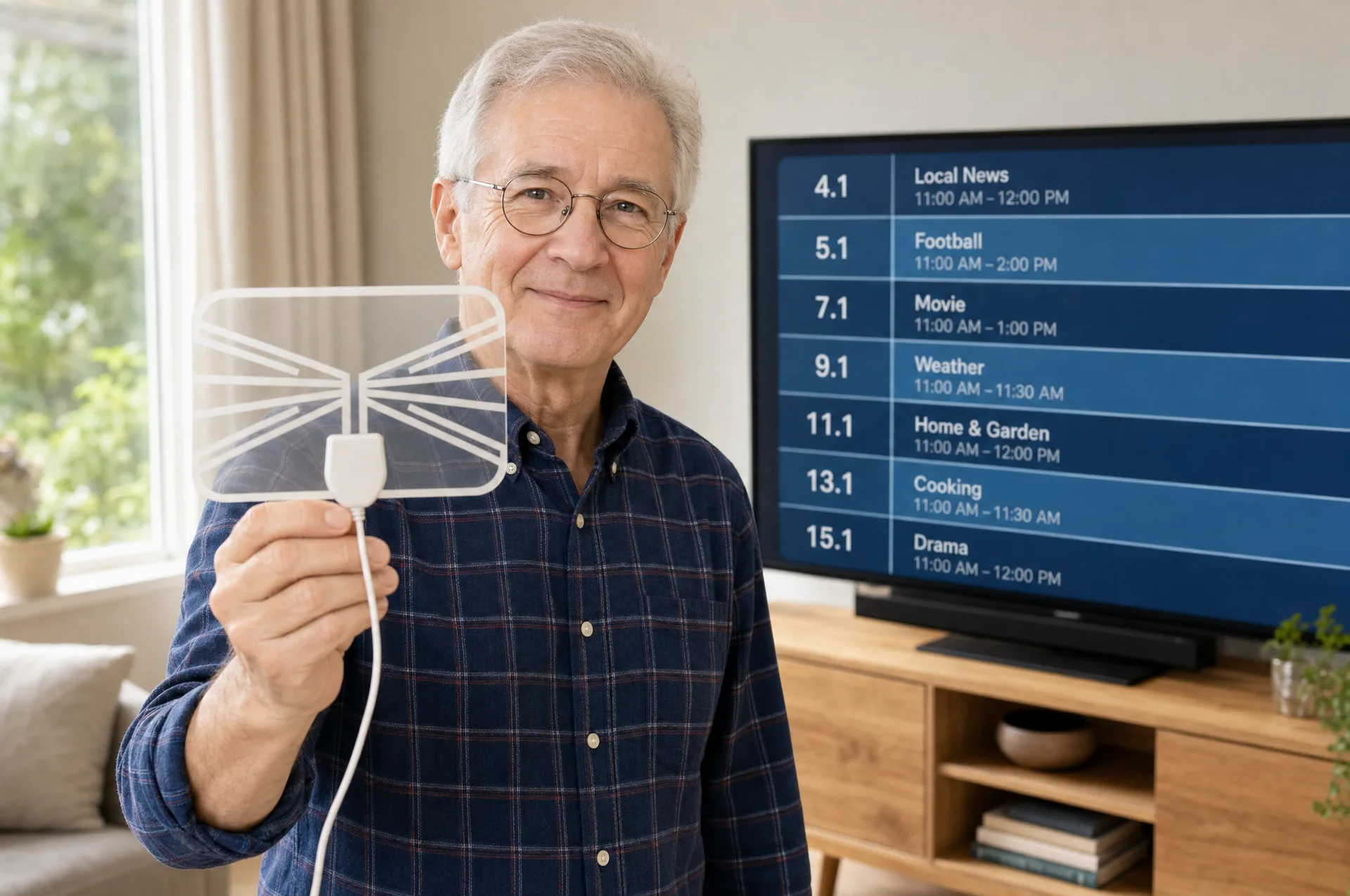
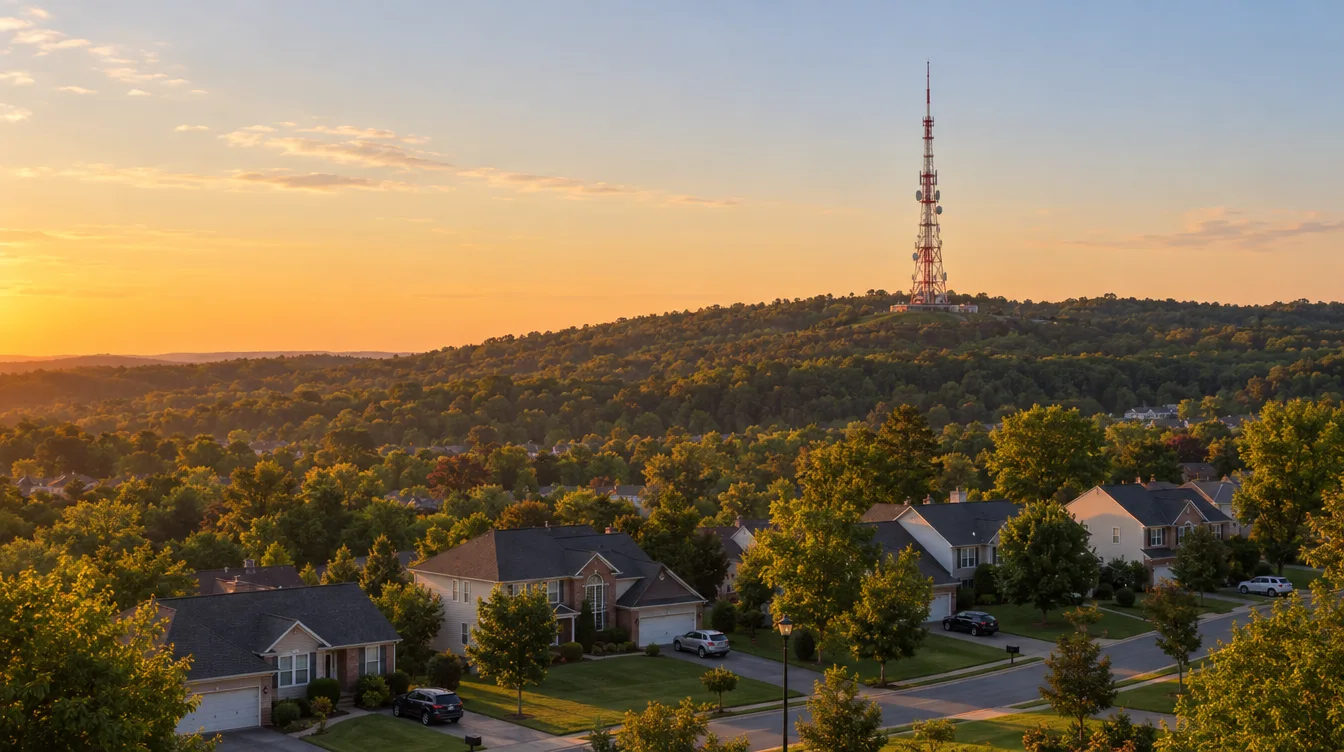
Robert Dell spent 23 years at NASA's Jet Propulsion Laboratory building receivers that hear signals from Mars. In 2019 he opened a $187 cable bill and asked the obvious question: why is he paying for ABC, NBC, CBS and FOX when those stations broadcast in HD, for free, from a tower 40 miles from his house?
The answer is that most people tried an antenna once, got six snowy channels, and gave up. Robert figured out why that happens, and built something that fixes it. The result is called ClearSignal, and it costs less than one month of cable.
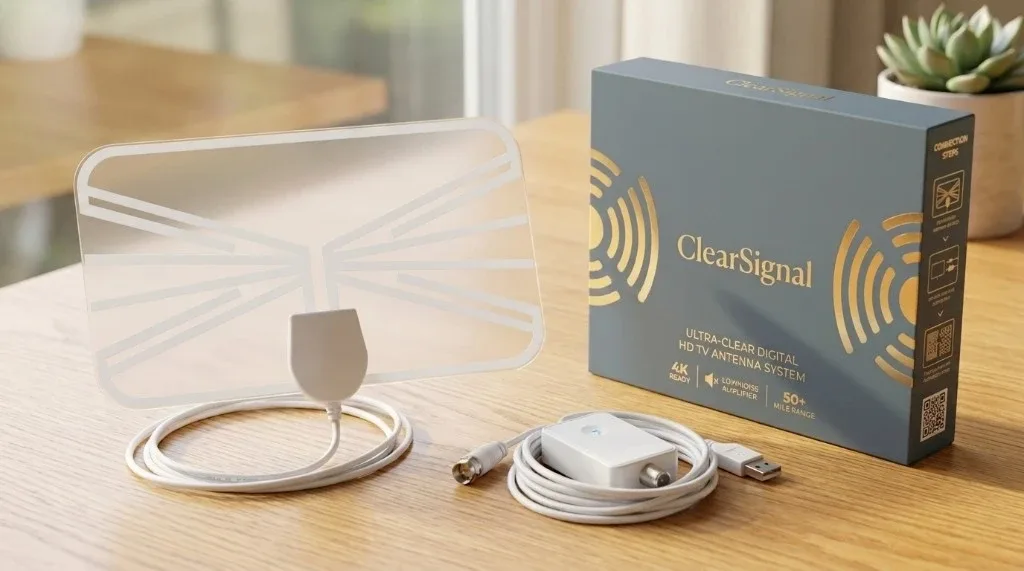
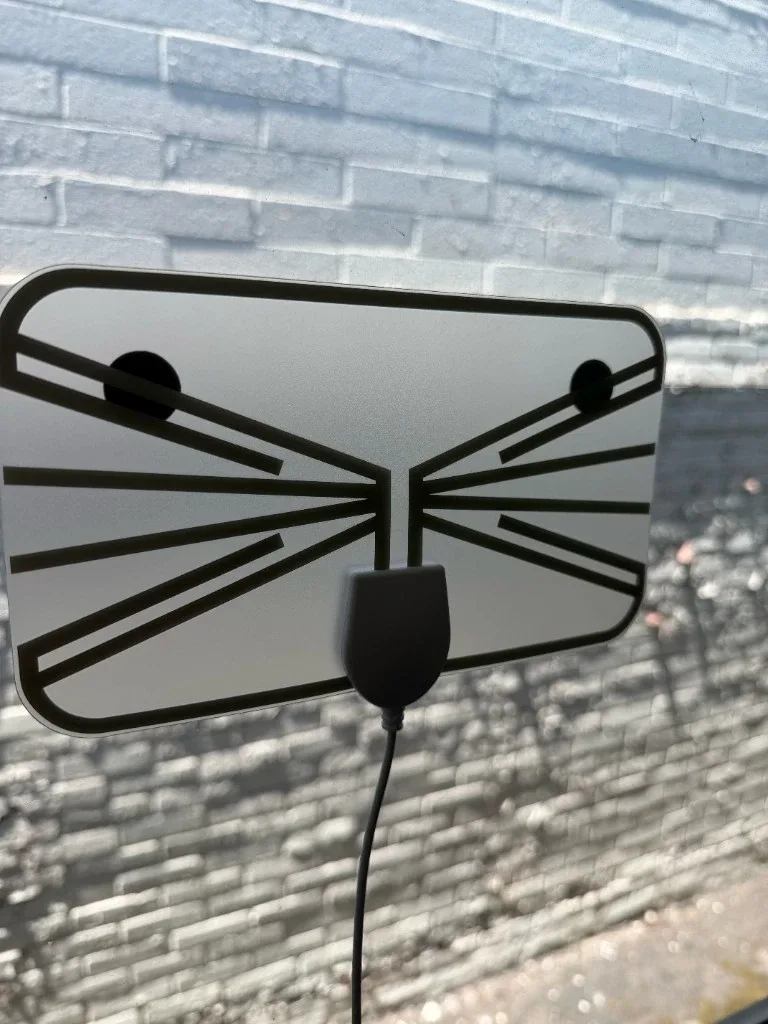
This is it. A transparent panel about the size of a sheet of paper, a small amplifier, and one cable. No box to rent, no app, no account, no monthly bill. You stick it on a window, plug it into the TV, and run a channel scan.
Right now it's $39.95, one time, with a 30-day money-back guarantee. Keep reading for what it actually gets and where it works, or check the price first:
Sold only on the official site. 30-day money-back guarantee.
Why Your Old Antenna Got Six Channels
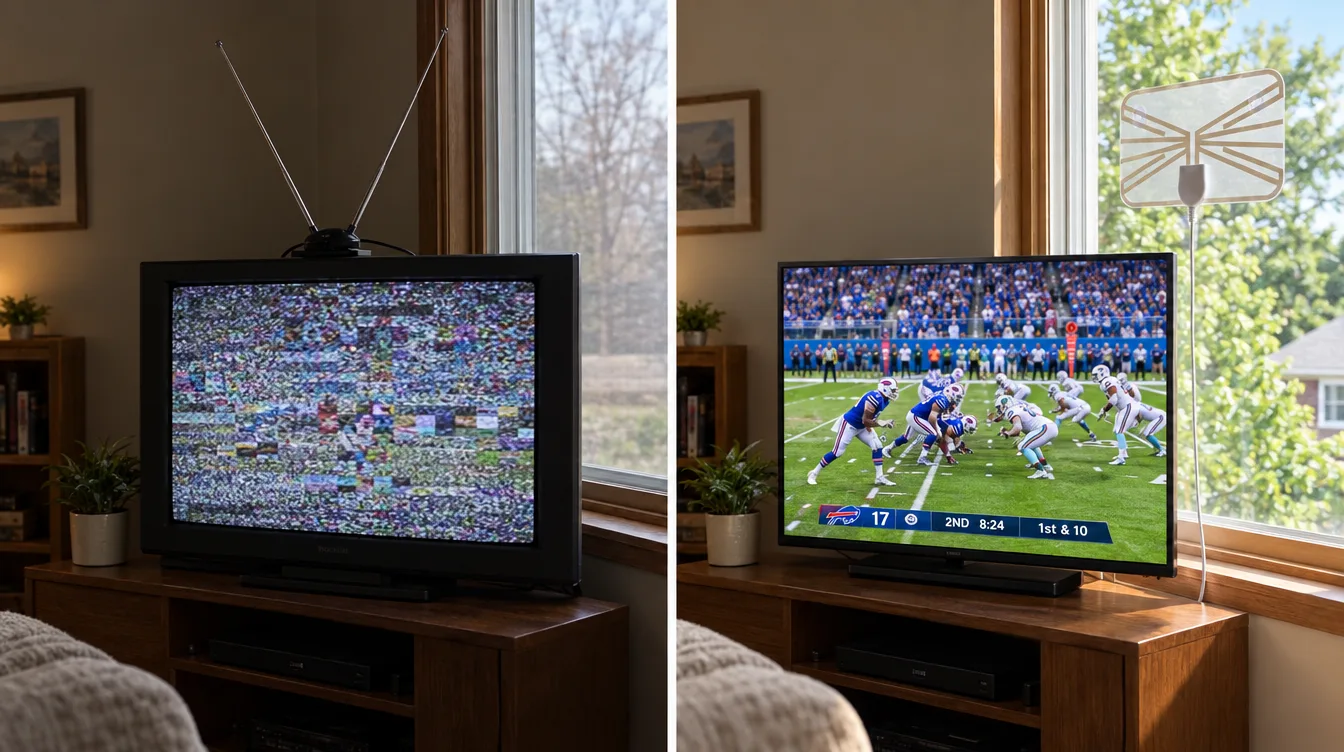
In 2009 every broadcaster in the country switched from analog to digital. That's the reason old rabbit ears fail today: a digital signal is all or nothing. A weak antenna doesn't show you a fuzzy picture anymore, it drops the channel completely. The channels didn't go away. Your antenna just couldn't hold them.
ClearSignal is built for the digital signal. The flat panel catches a wider slice of the broadcast band than a pair of rods can. The inline amplifier boosts weak stations before they reach the TV. A built-in filter chip strips out the interference from phones, Wi-Fi and LED lights that knocks a digital channel offline. And the maker rates it for towers up to 120 miles away, so it reaches stations most indoor antennas can't.
“The signal was always there. Nobody had built a cheap antenna that could actually hang on to it.”
Robert Dell · 23 years at NASA’s Jet Propulsion Laboratory
What You'll Actually Get
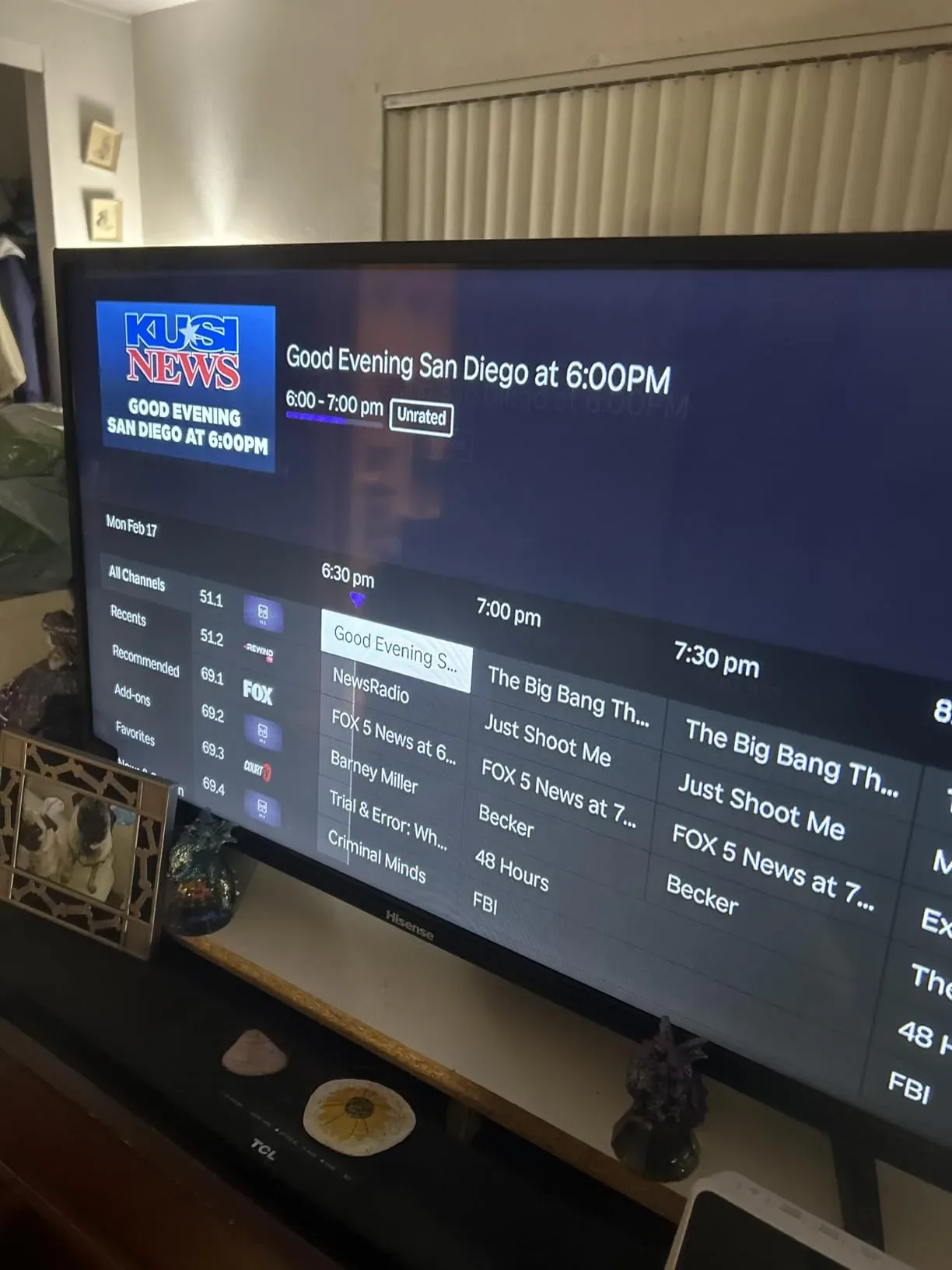
Every major network broadcasts over the air in full HD, and each one carries extra sub-channels you've probably never seen. Here's what a scan typically finds in a US metro area:
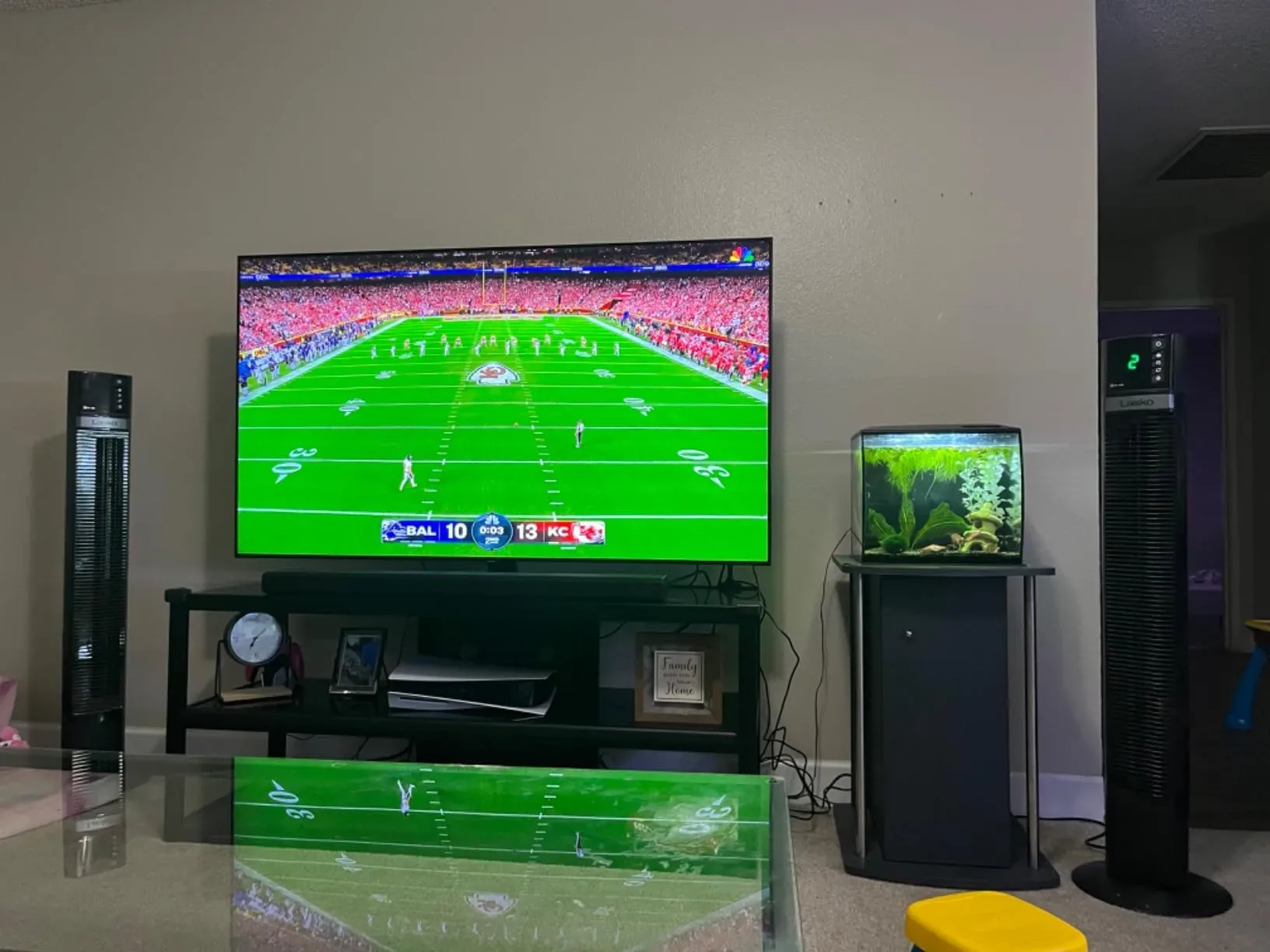
That's live NFL, college football and the NBA on the networks, the morning shows, prime-time dramas, PBS, and every local newscast. Not a streaming menu you have to log into. Channels, in your TV's own guide, the way it used to work.
A reader's guide after one scan: local news, FOX, Court TV and more, all in HD.
These are broadcast channels, so most owners keep one streaming app for the rest and drop everything else.
Will It Work Where I Live?
The large majority of US households sit within range of the major network towers, and that's exactly the range this antenna is built for. City and suburban homes usually pull in the most channels. Apartments work because the panel goes on a window, not on a roof. Rural homes further from the towers are where the amplifier and long-range rating earn their keep.
And if your address turns out to be the exception, you send it back within 30 days and get your money back. That's the whole risk.
Over five years that's more than $9,000 back in your pocket, for less than the cost of one month of cable.
Setup Takes About Three Minutes
1
Stick it on a window. Two suction pads, no tools. A window facing the nearest city usually works best.
2
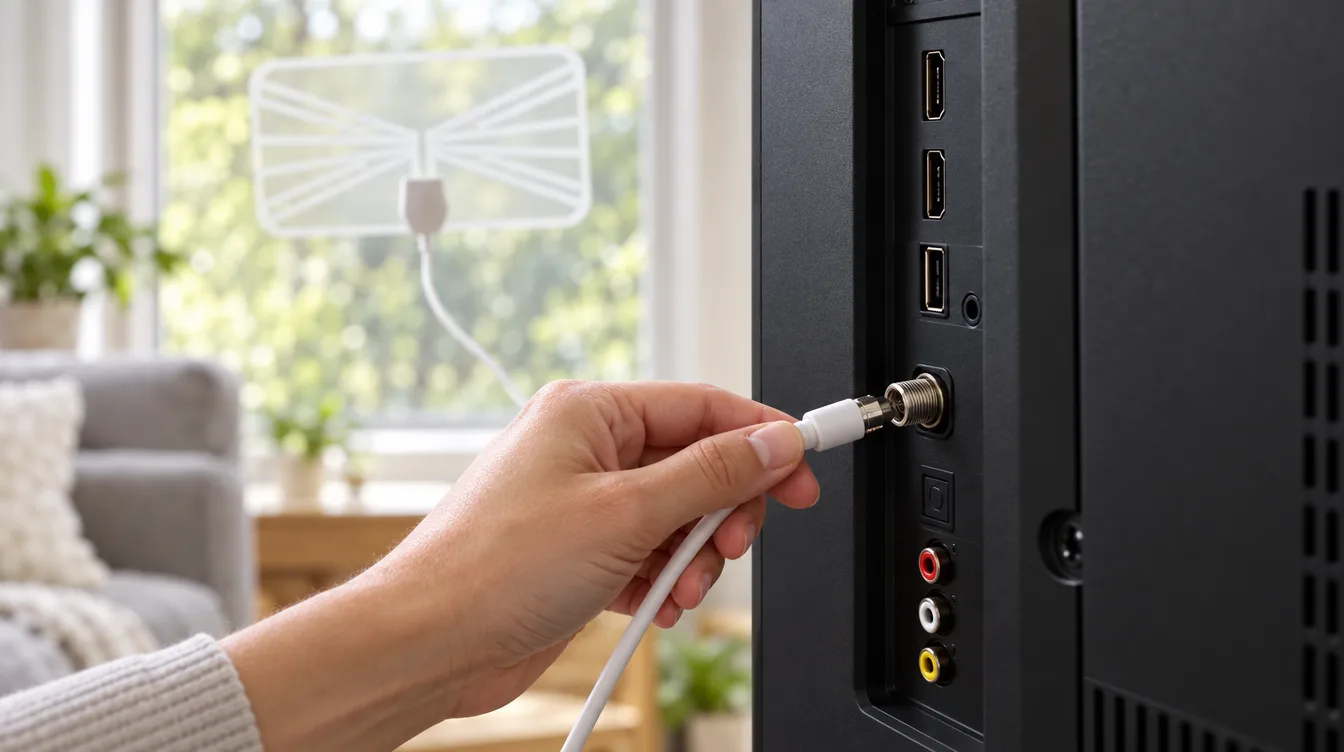
Plug the cable into your TV's antenna port. Every TV has one, including older sets. The amplifier powers from the TV's USB port.
3
Run a channel scan. Settings → Channels → Auto Scan. Your TV finds every station and fills in the guide by itself.
"If I can set this up by myself, anyone can. I had it running before my coffee got cold and cancelled Spectrum the same afternoon."
How Much Is It, and What's the Catch?
ClearSignal is sold directly by the maker, only online, which is how a long-range amplified antenna ends up at $39.95 instead of the $79.95 it normally lists for. Households with more than one TV can get two for $69.90 or three for $89.85, which works out to under $30 each, up to 65% off, with free shipping.
The catch is simply that it's an antenna. It won't give you ESPN or HBO. What it will do is take the networks, local news, PBS and live sports off your monthly bill for good.
30-Day Money-Back Guarantee. Try it on your own TV at your own address. If it doesn't pull in the channels you want, send it back for a full refund.
Was $79.95. Free shipping on 2 or more. Ships from the USA.
Sold only through the official site. Not available on Amazon or eBay.
What Owners Say
Rated 4.9 out of 5 by verified customers
4.9
★★★★★
Excellent
Patricia T.Rural Missouri
We're 40 minutes from the nearest city and the cable company wanted $300 just to run a line. Put this on the kitchen window, ran the scan, and we get all four networks plus PBS and the weather channel. Picture is clearer than my sister's cable.
412 days ago
Jennifer L.Chicago apartment
Third-floor apartment, no roof access, so I assumed an antenna was out. It's on the living room window behind the curtain and I got 62 channels on the first scan. Setup took five minutes. Cancelled Xfinity the next day.
364 days ago
Kevin B.Retired, fixed income
I'm 71 and not handy with electronics. My grandson wasn't around so I did it myself from the little card in the box. Window, cable, scan. That's it. Saving $150 a month now and I still get my news and the ballgame.
581 week ago
Quick Questions Before You Order
Do I need internet or Wi-Fi?
No. The antenna picks up the broadcast signal directly from the towers. No internet, no app, no account, no login.
Will it work with my TV?
Yes, if your TV has a round coaxial antenna input, which every flat-screen and smart TV has, and most older sets too. No extra box is needed.
Can I pause or record shows?
The antenna delivers live TV through your TV’s own guide. If you want to record, it plugs into any over-the-air DVR the same way it plugs into a TV.
What about bad weather?
There’s no dish to rain-fade like satellite. Where you place the panel matters far more than the weather; a window facing the nearest city is the usual fix.
What if it doesn’t work at my address?
Send it back within 30 days for a full refund. Reception depends on distance to the towers and placement, and the guarantee exists for exactly that reason.
Reader Pricing: $39.95 While the Sale Lasts
The maker is a small US company running a launch sale to build reviews. When it ends, the single antenna goes back to $79.95. If you're paying more than $50 a month for cable, the antenna pays for itself in the first month.

We're 40 minutes from the nearest city and the cable company wanted $300 just to run a line. Put this on the kitchen window, ran the scan, and we get all four networks plus PBS and the weather channel. Picture is clearer than my sister's cable.
Third-floor apartment, no roof access, so I assumed an antenna was out. It's on the living room window behind the curtain and I got 62 channels on the first scan. Setup took five minutes. Cancelled Xfinity the next day.
I'm 71 and not handy with electronics. My grandson wasn't around so I did it myself from the little card in the box. Window, cable, scan. That's it. Saving $150 a month now and I still get my news and the ballgame.